CNC Milling Cutter Selection: An Indexable vs Solid Carbide Buyer's Guide
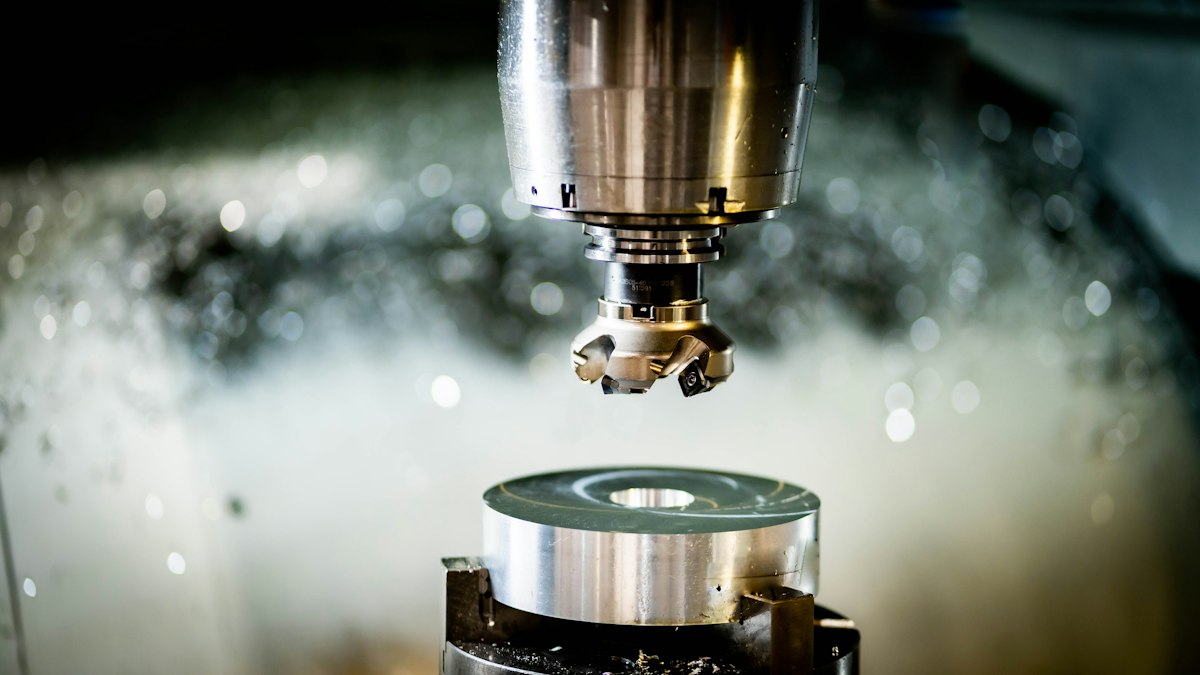
Choosing the right cnc milling cutter is one of those decisions that quietly determines whether a machining shop hits its tolerance targets or spends its afternoons re-running scrapped parts. Milling cutters look interchangeable on a supplier's price list, but the difference between an indexable cutter engineered for interrupted cuts and a generic import can show up within the first ten components off the line — in tool life, in surface finish, and in how often an operator has to stop the spindle to check an insert edge. This guide walks through what actually separates a reliable milling cutter from one that will cost a shop more in downtime than it saved on the invoice.
Why Milling Cutter Selection Is Harder Than It Looks
On paper, a milling cutter is just a body that holds inserts at a fixed geometry and spins them into a workpiece. In practice, the interaction between cutter diameter, insert grade, lead angle, and the material being cut is complex enough that two cutters with identical specifications on a datasheet can behave very differently on the shop floor. A face mill designed for continuous roughing passes on mild steel will chatter and chip prematurely if it is asked to interrupt-cut a cast iron housing with core holes. An indexable end mill sized correctly for a 3-axis vertical machining centre may still underperform if the insert grade was chosen for aluminium rather than the hardened tool steel actually on the table.
This is why serious buyers stop treating milling cutters as a commodity line item and start asking manufacturers for cutting data specific to their material, their machine's rigidity, and their target surface finish — rather than relying on a generic catalogue recommendation.
Indexable vs Solid Carbide: Making the Right Call
Indexable milling cutters remain the default choice for most production shops because the body itself is reusable — only the insert is replaced when an edge wears out, which keeps per-part tooling cost low on long runs. Solid carbide cutters, by contrast, tend to win on smaller-diameter work, tighter tolerances, and finishing passes where rigidity and a single sharp cutting edge matter more than economy of replacement.
The practical rule most experienced machinists apply: if the job is roughing, high-volume, or involves a cutter diameter above roughly 20mm, indexable is almost always the more economical route. Below that, particularly for slotting, contouring, or fine-finish work, solid carbide starts to make more sense despite the higher upfront cost per tool.
What Separates a Reliable Indexable Cutter From a Weak One
Insert seating accuracy is the detail that separates cutters that hold tolerance for thousands of cycles from ones that drift within the first hundred. A pocket that is machined even a few microns out of true will let the insert rock under cutting load, and that micro-movement translates directly into a worse surface finish and accelerated edge wear. This is one of the areas where Carbiforce's indexable milling cutter range is built to a tighter seating tolerance than typical import lines, specifically to hold repeatable finish quality across long production runs rather than just the first few parts.
Coolant delivery is the second factor buyers routinely underweight. Cutters with through-tool coolant channels aimed directly at the cutting edge clear chips faster and keep insert temperatures down, which matters enormously on deeper pockets or when milling materials that work-harden, like many stainless grades. A cutter without properly directed coolant flow will run hotter, wear faster, and is more likely to produce a burr that needs a secondary deburring operation.
Matching Cutter Geometry to the Job
Face mills, end mills, and shell mills each solve a different problem, and picking the wrong category rarely fails outright — it just costs cycle time and tool life silently. Face mills are built for flat, wide-area material removal and generally run at higher feed rates with a positive lead angle that reduces cutting force. End mills handle slotting, profiling, and pocketing where the tool needs to cut on its periphery as well as its face. Shell mills sit between the two, typically used on larger-diameter facing operations where a solid-body cutter would be prohibitively expensive.
Insert count and pitch also matter more than most buyers initially assume. A coarse-pitch cutter with fewer inserts reduces power demand and works well on machines with limited spindle horsepower, while a fine-pitch, high-insert-count cutter maximises metal removal rate on rigid, high-power machines. Matching pitch to available spindle power avoids the two most common failure modes: stalling the cut, or running the machine well under its capability.
Reading Past the Catalogue Numbers
A cutter's rated feed and speed range on a datasheet assumes ideal conditions — a rigid setup, correct coolant, and a workpiece material exactly matching the test data. Real shop floors rarely match that exactly, which is why cutting parameters should always be treated as a starting point to dial in, not a fixed instruction. Shops that get the best tool life typically start 10-15% below the catalogue feed rate on a new cutter, verify surface finish and chip formation, and step up incrementally rather than running at rated parameters from the first pass.
Buying from a manufacturer that can walk through this tuning process — rather than just shipping a part number — tends to save far more in avoided tool breakage than any per-unit discount on the initial order.
Getting milling cutter selection right is rarely about finding the cheapest option — it's about matching cutter geometry, insert grade, and coolant strategy to the actual job on the actual machine. For shops evaluating their current tooling setup or specifying cutters for a new job, get in touch with the Carbiforce team for cutting-data guidance specific to your material and machine.
Comments
Post a Comment